>OSEA-CITE: Ethnography of the Future / Interdisciplinary Cultural Anthropology / Study Abroad. Experimental Ethnography, Quetzil Castaneda, Juan Castillo Cocom, Maya Culture, Mayan Civilization, Maya Riviera, Yucatan, Mexico, Community Action Research, Ethnographic Installation, Maya Calendar, Maya 2012, Chilam Balam, Ah Dzib, Second Language Studies, Second Language Learning, Bilingual Education, anthropology of Art, anthropology of Tourism, the Maya World, Cancun, Merida, Playa del Carmen, Tourism studies, Medical anthropology, Maya healing and ritual, Field Study Abroad, Latin American Studies, Valladolid, Chichen Itza, Tulum, Ek Balam, Piste, Travel Mexico, Tourism Development, Ethics of tourism, Lisa Breglia, Fernando Armstrong Fumero, Joy Logn, experimental Ethnography, transcultural ethnography, ethnographic installation, identity politics, archaeological heritage, heritage studies, tourism studies, heritage tourism, ethics in tourism, collaborative ethnography, archeological ethnography, ethnographic archaeology, ethnography of archaeology, Social contexts of archaeology, history of anthropology, politics of anthropology, ethnographic ethics, fieldwork ethics multisited ethnography. Experimental Ethnography, Quetzil Castaneda, Juan Castillo Cocom, Maya Culture, Mayan Civilization, Maya Riviera, Yucatan, Mexico, Community Action Research, Ethnographic Installation, Maya Calendar, Maya 2012, Chilam Balam, Ah Dzib, Second Language Studies, Second Language Learning, Bilingual Education, anthropology of Art, anthropology of Tourism, the Maya World, Cancun, Merida, Playa del Carmen, Tourism studies, Medical anthropology, Maya healing and ritual, Field Study Abroad, Latin American Studies, Valladolid, Chichen Itza, Tulum, Ek Balam, Piste, Travel Mexico, Tourism Development, Ethics of tourism, Lisa Breglia, Fernando Armstrong Fumero, Joy Logn, experimental Ethnography, transcultural ethnography, ethnographic installation, identity politics, archaeological heritage, heritage studies, tourism studies, heritage tourism, ethics in tourism, collaborative ethnography, archeological ethnography, ethnographic archaeology, ethnography of archaeology, Social contexts of archaeology, history of anthropology, politics of anthropology, ethnographic ethics, fieldwork ethics multisited ethnography.


Is OSEA right for me?
What is Ethnography?
What is Field Study?
What is Heritage?
OSEA FAQ

Student Experience
Student Success
Student Projects
Student Reviews
Student Conference
Student Testimonies

Memory: Chilam Balam
Art: Ah Dzib Pizté Project
Language: SELT Project
MIRA: Tourism Ethnography


OSEA on Facebook
Escuela Abierta
OSEA FB Photo Albums
OSEA Image Galleries
OSEA YouTube Videos

OSEA Publications
OSEA Online Library
OSEA News & Updates
Ethics & Human Subjects

 
OSEA Field Study Abroad Programs in Mexico


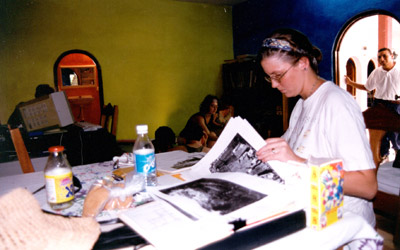
The Field School in Experimental Ethnography (1997-1999)

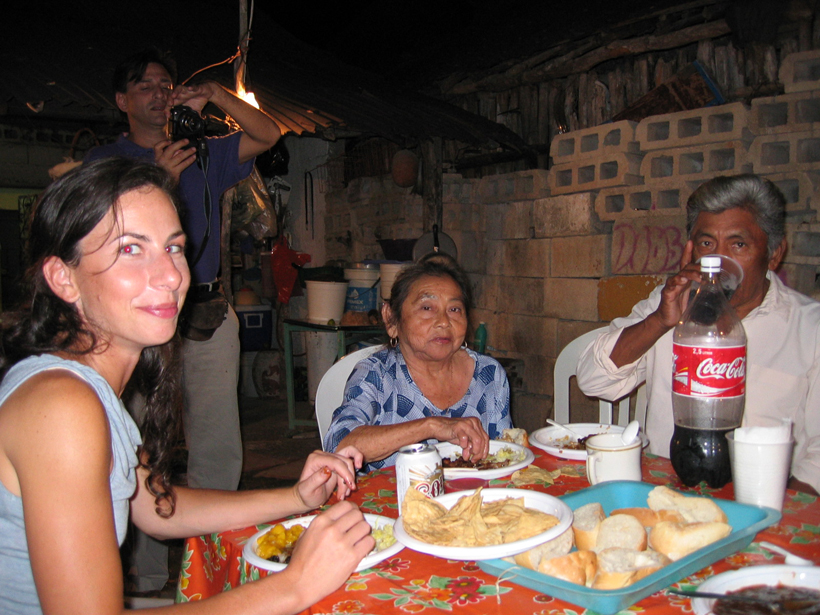
Two overarching principles governed its conceptual design and organization. First, the Field School program combined intensive and long term field research with a pedagogical agenda of training students in ethnographic fieldwork. Second, the Field School program sought to both theorize and put into practice a mode of ethnography that it called experimental ethnography. While this term has come to refer to a movement focused on issues of representation in ethnographic writing, it is used here to refer to an emergent theory and practice of fieldwork.


Experimental ethnography is a paradigmatic mode of fieldwork in which given, prior and assumed knowledges are used and recirculated in fieldwork activities, dynamics, and practices with the goals of actualizing an ethnographic process that both a) has relevance to and for the communities with which research is conducted and b) experiments with the very practices of fieldwork itself with the aim of theorizing, and reconfiguring alternative forms of, ethnography.


© 2004 – 2025 osea-cite. all rights reserved. | osea-cite home | contact us | privacy policy